MIMI IS MISSING ELLA. MIMI CAN"T WAIT UNTIL THANKSGIVING. TOM,AYNSLEY AND ELLA ARE COMING TO TIDY ISLAND!

Ella is HAPPY about seeing Mimi and Papa too!
Ella is HAPPY about seeing Mimi and Papa too!


All About New Smyrna Beach...
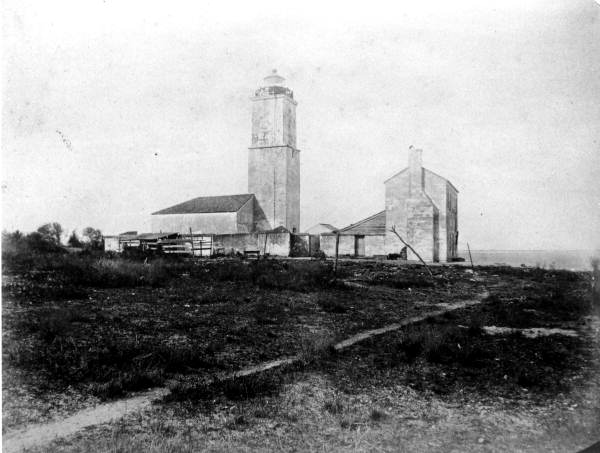
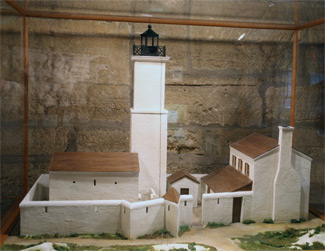
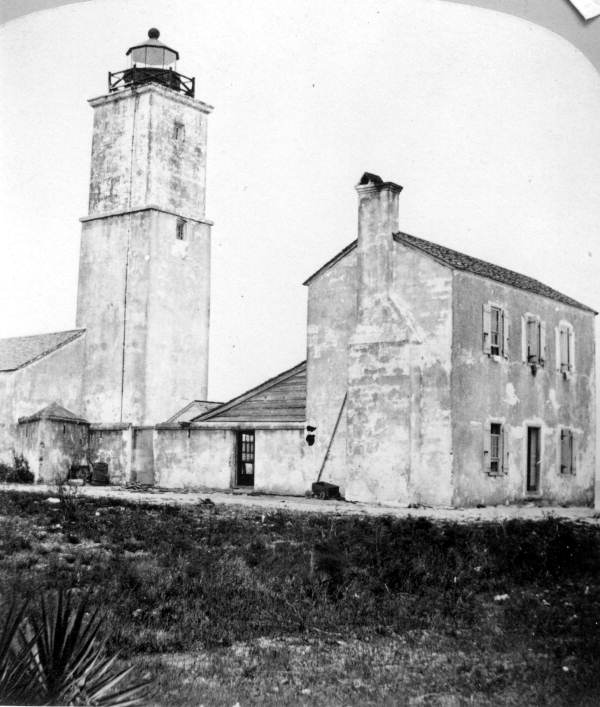
Blue skies meet over 13 miles of white sand in New Smyrna Beach, consistently voted one of the "Best Beaches". New Smyrna Beach lays claim to the best Florida offers--excellent backwater and offshore fishing, golf, historical sites, cultural events and eclectic shopping and dining experiences along historical Flagler Avenue and Canal Street. Just south of New Smyrna lies the Canaveral National Seashore, which offers excellent swimming, bird watching, hiking and more. Anglers at nearby Mosquito Lagoon have set international records with giant redfish catches. Deep-sea charters leave New Smyrna Beach daily, giving offshore fishers an easy way to wet a line in the beautiful Atlantic Ocean .Many historical and cultural sites also make New Smyrna Beach noteworthy. From the Turnbull and Sugar Mill Ruins, to the Eldora State House and the Ponce Inlet lighthouse, the area is rich in history.Named one of " America 's Top Small Cities for The Arts," New Smyrna is home to the Atlantic Center for the Arts, an artists-in-residence community and educational facility, the Harris House, the Little Theatre and Arts on Douglas . Frequent arts shows featuring visual and performing arts take place throughout the year.Flagler Avenue and Canal Street , which were recently renovated, feature several quaint shops and cafes. It should be no surprise that the second oldest city in Florida is also home to many antique shopping pavilions.New Smyrna possesses a distinct hometown quality reflected in its cracker architecture, lush tropic landscape and community. Enjoy culinary delights from fresh seafood to steaks and pasta on the waterfront, or under an umbrella at a sidewalk cafe. At the end of the day, retire to a charming bed and breakfast inn, family-size condominium or oceanfront hotel.New Smyrna Beach Voted BEST BEACH in 2007 and 2008 by readers of Orlando Sentinel!:


Debbie & Kevin At The Entrance of Flagler Presbyterian Church

Flagler College
Debbie & Ed At Collage
Later in the evening the crew ate dinner at Collage. The salads, soups, entrees and desserts were fabulous. The toasted coconut ice cream was delicious.


 The culture of North America changed forever in the year 1513. In April, the Spanish explorer Juan Ponce de Leon landed while searching for the fabled isle of Bimini. The exact landing spot where Ponce and his men came ashore remains unknown, but it was apparently somewhere between the Cape Canaveral area and the mouth of the St. Johns River. Searching for this historic site, archeologists have conducted numerous "digs" at the Fountain of Youth, a National Archeological Park, where a Timucuan Indian village called Seloy was located and where the city of St. Augustine had its beginning.
Ponce de Leon was on a mission of exploration, not settlement, and his visit to northeast Florida was brief. Because he arrived during the Easter season, known as the Pascua Florida, Ponce named his new discovery La Florida – a name still used today. Besides naming the land and claiming it for Spain, Ponce de Leon made a discovery that was to lead to the creation of St. Augustine. Sailing along the Florida coastline, Ponce de Leon realized that a strong current was carrying his ships rapidly northward. This would aid in quickly returning Spanish ships home and was later called the Gulf Stream. Although Timucuans may not have had much contact with the Spanish after Ponce de Leon sailed away, Native Americans in other parts of Florida welcomed, battled with and fled from numerous Spanish expeditions. Ponce turned his attention to the west coast of Florida where he died from a poisoned arrow.
Men like Tristan de Luna, Cabeza de Vaca, and Hernando de Soto followed Ponce de Leon to Florida and reluctantly concluded that major investment in this land was not worthwhile. It was filled with dangerous animals like alligators and snakes, as well as insects. Heat, humidity, hurricanes and other storms were serious unavoidable problems. Some parts of Florida welcomed the Spanish, but it soon became apparent that the war-like natives would not be as easily subdued as those from other parts of the New World. Natives from these far more lucrative areas could be forced to work as slaves while Spain took their gold and silver. Also, European agriculture did not take hold on the coasts. It seemed apparent that a colony would have to depend on help from Spain to survive. Based on these conclusions, the Spanish simply ignored risky Florida.
French Intruders
In 1562, French Protestants known as Huguenots arrived in Florida. Led by Jean Ribault, their goal was to establish a colony in the New World as a possible haven. Despite the Spanish claim to a vast La Florida-- from modern-day Florida to Labrador and as far westward as the King of Spain could imagine-- the Frenchmen established a small settlement near the mouth of the St. Johns River. Unfortunately for them, their food supply shipment never arrived. Though Timucuans happily shared their beans and squash with their visitors, eventually the French faced starvation and mutiny. Thus, the Frenchman devoted their efforts to building a boat and wasted no time in sailing away from Florida.
In 1564, a much larger and better prepared French expedition -- Huguenots including women and children-- arrived at the earlier settlement. Led by Rene Laudonniere, Fort Caroline was built from the remains of the previous village.
In 1561, Spain’s King Phillip II had declared that no more effort would be made to colonize Florida. It was explained to Phillip by his advisors that the arrival of the French was a trespass on Spanish territory, and as Protestants, they were heretics. Beyond that, the presence of a French base on the eastern shore of La Florida would pose a very dangerous threat to the Spanish treasure fleets returning home.
Diplomatically, the Spanish reminded Queen Catherine of France that the Pope had confirmed that La Florida was the property of Spain. They asked her to remove her subjects, but soon learned that the French were preparing an even larger fleet to sail for Florida. The French would have to be removed by force. King Phillip knew the best man to complete such a task was Don Pedro Menendez de Aviles.
Menendez and his Mission
Admiral General Don Pedro Menendez de Aviles was born in Aviles, Spain in 1519. When Menendez was only 30, King Charles of Spain directed him to pursue and capture a French corsair named Jean Alfonse who had recently seized ten Spanish ships. Although the king provided neither money, ships nor troops for the mission, Menendez headed out to sea where he freed five of the ships and killed Alfonse. In 1554, the king placed him in charge of the treasure fleets sailing between Spain and her colonies in the New World. The Casa de Contratacion, previously in charge, had lost fleets to corsairs. Menendez excelled without bribery and successfully led the fleets on their long journeys. Another war between Spain and France resulted in new duties for Menendez. He distinguished himself in battles, and at the war’s end, he was given the honor of transporting King Phillip home to Spain. Confident that he had the direct support of the throne, Menendez became more and more disrespectful of the Casa, who had became increasingly annoyed with his success and honesty. In one famous incident, he insulted the Casa members publicly by personally removing the King’s banner from one of their small boats. When he returned from the 1563 voyage, the Casa accused him of numerous infractions and he was imprisoned in the Almohades treasure house in Seville.
The culture of North America changed forever in the year 1513. In April, the Spanish explorer Juan Ponce de Leon landed while searching for the fabled isle of Bimini. The exact landing spot where Ponce and his men came ashore remains unknown, but it was apparently somewhere between the Cape Canaveral area and the mouth of the St. Johns River. Searching for this historic site, archeologists have conducted numerous "digs" at the Fountain of Youth, a National Archeological Park, where a Timucuan Indian village called Seloy was located and where the city of St. Augustine had its beginning.
Ponce de Leon was on a mission of exploration, not settlement, and his visit to northeast Florida was brief. Because he arrived during the Easter season, known as the Pascua Florida, Ponce named his new discovery La Florida – a name still used today. Besides naming the land and claiming it for Spain, Ponce de Leon made a discovery that was to lead to the creation of St. Augustine. Sailing along the Florida coastline, Ponce de Leon realized that a strong current was carrying his ships rapidly northward. This would aid in quickly returning Spanish ships home and was later called the Gulf Stream. Although Timucuans may not have had much contact with the Spanish after Ponce de Leon sailed away, Native Americans in other parts of Florida welcomed, battled with and fled from numerous Spanish expeditions. Ponce turned his attention to the west coast of Florida where he died from a poisoned arrow.
Men like Tristan de Luna, Cabeza de Vaca, and Hernando de Soto followed Ponce de Leon to Florida and reluctantly concluded that major investment in this land was not worthwhile. It was filled with dangerous animals like alligators and snakes, as well as insects. Heat, humidity, hurricanes and other storms were serious unavoidable problems. Some parts of Florida welcomed the Spanish, but it soon became apparent that the war-like natives would not be as easily subdued as those from other parts of the New World. Natives from these far more lucrative areas could be forced to work as slaves while Spain took their gold and silver. Also, European agriculture did not take hold on the coasts. It seemed apparent that a colony would have to depend on help from Spain to survive. Based on these conclusions, the Spanish simply ignored risky Florida.
French Intruders
In 1562, French Protestants known as Huguenots arrived in Florida. Led by Jean Ribault, their goal was to establish a colony in the New World as a possible haven. Despite the Spanish claim to a vast La Florida-- from modern-day Florida to Labrador and as far westward as the King of Spain could imagine-- the Frenchmen established a small settlement near the mouth of the St. Johns River. Unfortunately for them, their food supply shipment never arrived. Though Timucuans happily shared their beans and squash with their visitors, eventually the French faced starvation and mutiny. Thus, the Frenchman devoted their efforts to building a boat and wasted no time in sailing away from Florida.
In 1564, a much larger and better prepared French expedition -- Huguenots including women and children-- arrived at the earlier settlement. Led by Rene Laudonniere, Fort Caroline was built from the remains of the previous village.
In 1561, Spain’s King Phillip II had declared that no more effort would be made to colonize Florida. It was explained to Phillip by his advisors that the arrival of the French was a trespass on Spanish territory, and as Protestants, they were heretics. Beyond that, the presence of a French base on the eastern shore of La Florida would pose a very dangerous threat to the Spanish treasure fleets returning home.
Diplomatically, the Spanish reminded Queen Catherine of France that the Pope had confirmed that La Florida was the property of Spain. They asked her to remove her subjects, but soon learned that the French were preparing an even larger fleet to sail for Florida. The French would have to be removed by force. King Phillip knew the best man to complete such a task was Don Pedro Menendez de Aviles.
Menendez and his Mission
Admiral General Don Pedro Menendez de Aviles was born in Aviles, Spain in 1519. When Menendez was only 30, King Charles of Spain directed him to pursue and capture a French corsair named Jean Alfonse who had recently seized ten Spanish ships. Although the king provided neither money, ships nor troops for the mission, Menendez headed out to sea where he freed five of the ships and killed Alfonse. In 1554, the king placed him in charge of the treasure fleets sailing between Spain and her colonies in the New World. The Casa de Contratacion, previously in charge, had lost fleets to corsairs. Menendez excelled without bribery and successfully led the fleets on their long journeys. Another war between Spain and France resulted in new duties for Menendez. He distinguished himself in battles, and at the war’s end, he was given the honor of transporting King Phillip home to Spain. Confident that he had the direct support of the throne, Menendez became more and more disrespectful of the Casa, who had became increasingly annoyed with his success and honesty. In one famous incident, he insulted the Casa members publicly by personally removing the King’s banner from one of their small boats. When he returned from the 1563 voyage, the Casa accused him of numerous infractions and he was imprisoned in the Almohades treasure house in Seville.
 Goin Ashore...
The downtown historic district. a 50 -block section surrounding Centre Street, is an attractive and popular gingerbread seaport dating from the 1850's when Florida's first cross-state railroad ran from Fernandina to Cedar Key ( the railroad tracks still run past the waterfront with occasional traffic). The Island Hopper crew was awaken at 5:30 AM by the horn of the train. The area is listed on the National Historic Register and is worth a visit. South of the historic district a white discharge from two paper mills in Fernandina Beach can be seen. Although the two paper mills are still busy, better emissions controls have improved the quality of the air and water A sizable commercial fishing fleet , consisting mainly of shrimp boats, lies above and below the marina. A commercial dock to the north accommodates freighters and containerships.
Goin Ashore...
The downtown historic district. a 50 -block section surrounding Centre Street, is an attractive and popular gingerbread seaport dating from the 1850's when Florida's first cross-state railroad ran from Fernandina to Cedar Key ( the railroad tracks still run past the waterfront with occasional traffic). The Island Hopper crew was awaken at 5:30 AM by the horn of the train. The area is listed on the National Historic Register and is worth a visit. South of the historic district a white discharge from two paper mills in Fernandina Beach can be seen. Although the two paper mills are still busy, better emissions controls have improved the quality of the air and water A sizable commercial fishing fleet , consisting mainly of shrimp boats, lies above and below the marina. A commercial dock to the north accommodates freighters and containerships.


 for drinks. The crew then walked to dinner at Espana Restaurant for tapas. It was a wonderful meal.
Island Hopper arrived at Golden Isles Marina at 12:30 PM. Morning Star Marinas a Golden Isles is located on the Frederica River at St. Simons Island, Georgia just around the southern shoal of Lanier Island at ICW Mile 675.

Golden Isles Marina
Goin’ Ashore

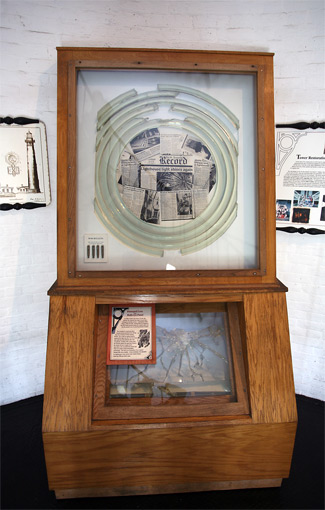
One of Georgia’s Golden Isle and largest of its sea island, St. Simons Island is a draw for history buffs, golf and tennis players, nature lovers and, of course, boaters. Now a popular tourist destination St. Simons was named one of the best places to retire by “Money Magazine” 2006. . The southern tip of the island is a hub of activity centered around the Village and Pier. Here you’ll find a concentration of tourist-oriented shops and restaurant. Just east of the pier is Neptune Park, a beachfront picnic area, playground, and the site of numerous festivals. On the far side of the park is the St. Simons Visitors Center, housed in the St. Simons Island Casino, and the landmark lighthouse, the original keeper’s dwelling and the A.W. Jones Heritage Center. It is worth the strenuous climb up the narrow, winding staircase of the 1872 lighthouse for a great view of the island and St. Simons Sound. The keeper’s cottage has a museum with the history of the lighthouse (the original built in 1807, was destroyed by Confederate troops in 1862 to prevent the union forces from using it) The Heritage Center has exhibits about island history.

The Lighthouse


History....
St. Simon Island is rich in history dating as far back as 3000 B.C. when the Timucan and Guale Indian tribes first inhabited the island. Since that time, St. Simons Island has flown under the flags of the Spanish, French, British, American and Confederate States of America. While prized by armies for the strategic position along the coast, by plantation owners for the high quality long-staple cotton (known as sea island cotton) that the land could produce, and by ship builders for the strength of the native live-oaks, St. Simons Island has captivated the imaginations of generations of inhabitants with a charm and natural beauty that is distinctly St. Simons Island.
The crew ate at the marina restaurant called "Coastal Kitchen." The chef had redfish ( a local fresh fish) as the special. It was a wonderful meal.

Harbour Town Lighthouse

Alligator On The Shore


Harbour Town Harbor
Goin Ashore......... The nation knows Hilton Head Island for the red-striped lighthouse and fine golf courses, but it is also a great family getaway with long beaches and walking and bicycling trails through its well-preserved natural areas. Dozens of restaurants cater to every ones tastes. Harbour Town Lighthouse History...

Bar and Ed at the Harbour Town Lighthouse
The 90-foot, red-and-white striped tower of the Harbour Town Lighthouse on Hilton Head Island is the visual centerpiece of the popular Sea Pines, located in Hilton Head South Carolina. Completed in 1970, this was the first privately financed lighthouse to be built since the early 1800s. Visitors who climb the lighthouse steps will find an excellent spot from which to view Hilton Head Island. Aside from the marvelous view of Harbour Town and Hilton Head Island, visitors are treated to The Shop At The Top – a wonderful Hilton Head shopping experience. Exclusive dealer for Harbour Lights Lighthouses, Pandora charms and bracelets, fine hand-made crystal collectibles by Crystal World, and many other Hilton Head collectibles. The Harbour Town Lighthouse on Hilton Head Island is a must see for anyone visiting Hilton Head South Carolina. The crew rode bicycles 9 miles round trip to South Beach to visit The Salty Dog. A must stop for all visitors. Tonight the crew is dining at Waterfront. It is located next to the lighthouse and serves wonderful seafood. It was a fabulous day of playing on Hilton Head.